
 By admin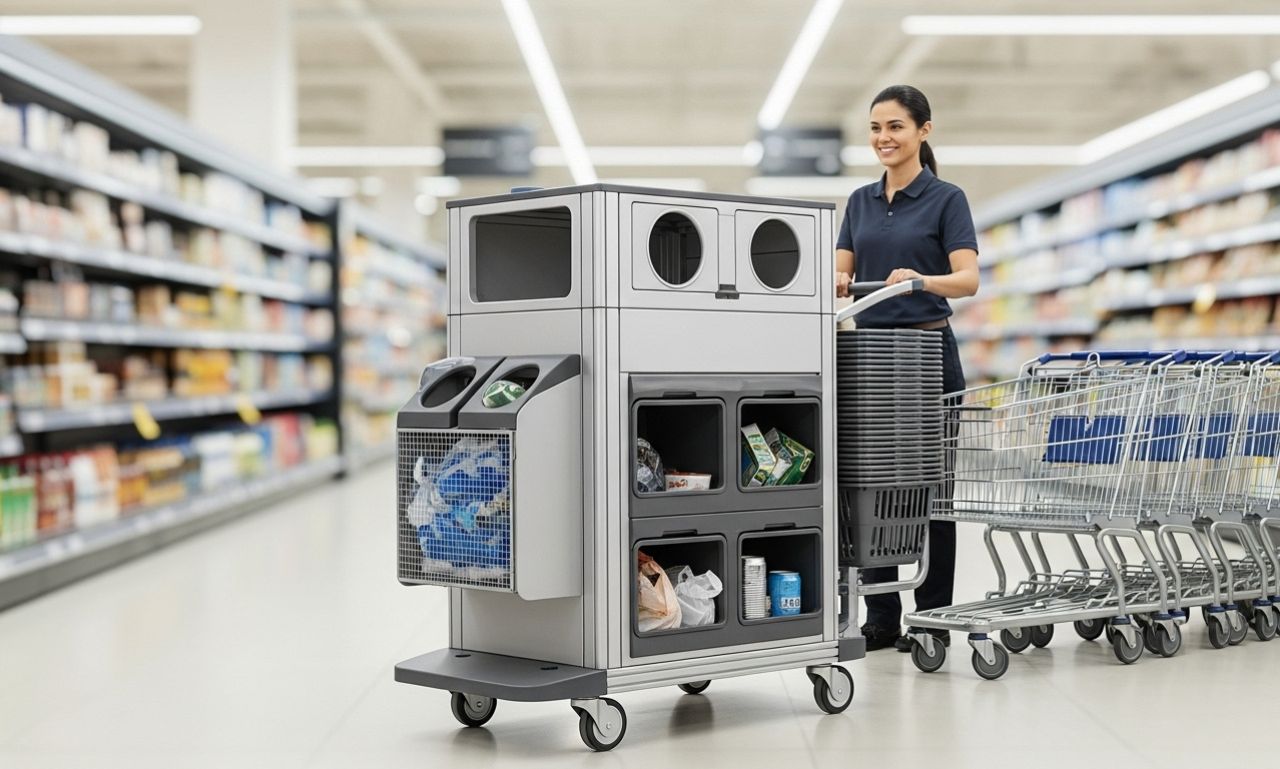
The term clearing carts comes from the Dutch “afruimen,” meaning to clear dishes and waste from tables, and “wagen,” which refers to a cart or trolley. In other words, clearing carts are mobile trolleys used in restaurants, c
Initially, clearing carts started as simple handcarts or wooden trolleys. However, thanks to technological advances, modern versions are now often made of stainless steel or plastic and additionally feature multiple tiers, quiet wheels, and ergonomic handles.atering, large kitchens, and other environments to efficiently collect and transport plates, cutlery, glassware, and waste.
Importance of Clearing Carts in the Hospitality Industry
Faster Workflow and Higher Efficiency
A clearing cart helps staff clear multiple tables at once, reducing trips to the kitchen and speeding up service. With such a mobile trolley, servers can handle more tasks in less time, contributing to smoother operations.
Improved Hygiene
Waste, cutlery, and dishes are typically collected separately and are often organized in compartments and bins. In addition, stainless steel clearing carts are popular in hospitality due to their hygienic properties, as they are both easy to clean and resistant to corrosion.
Ergonomics and Staff Safety
Instead of lifting heavy trays or dishes, staff can push the clearing cart. This reduces physical strain and lowers the risk of injury or fatigue. Lockable wheels and stable frames also contribute to safety during transport.
Types and Variants of Clearing Carts
Depending on the application and environment, there are various types of clearing cart
-
Stainless Steel Clearing Carts
Made from stainless steel for durability, hygiene, and long life. -
Plastic Clearing Carts
Lighter and often more affordable. Ideal for cafeterias, schools, or corporate catering. -
Multi-Tier Models (2- or 3-Level)
Allow multiple plates, trays, or glasses to be collected in a single trip. -
Clearing Carts with Waste Bins or Accessories
Some models include separate bins for waste or cutlery, making sorting easier. -
Mobility Variants
Equipped with quiet wheels for indoor use or robust tires for heavier loads or rough terrain.
Where Are Clearing Carts Used?
Restaurants and Cafés
In busy eateries, clearing carts help quickly clear tables, increase turnover, and provide guests with a clean experience.
Hotels, Catering, and Events
During buffets, banquets, or conferences, multiple clearing carts are often used to collect dirty dishes and transport them to the kitchen.
Corporate Cafeterias and Schools
Trolleys allow large quantities of trays, plates, and cutlery to be cleared quickly during breaks.
Healthcare and Hospitals
Hygiene is critical. Clearing carts are used to safely transport meal trays, medical dishes, and waste.
Key Features to Consider When Buying with clearing carts
When purchasing a clearing cart, consider these factors:
-
Material: Stainless steel is durable and hygienic; plastic is lighter but may be less sturdy.
-
Wheels and Mobility: Quiet, swivel wheels are ideal for indoors, while larger tires are better for rough surfaces.
-
Capacity: Determine how many plates, glasses, or trash items the cart needs to carry.
-
Extra Features: Think of locks, brakes, bins, or cutlery holders to make work easier.
-
Ease of Maintenance: Removable bins and simple structures make cleaning and disinfecting easier.
Cost and Investment
The price of clearing carts varies depending on material, capacity, and extra features:
-
Entry-Level Models: Affordable plastic carts are usually the cheapest.
-
Mid-Range: Stainless steel or hybrid models with extra trays or multiple tiers.
-
High-End: Industrial, robust carts with special accessories, large capacity, or premium finishes.
Investing in a quality cart often pays off through labor savings, higher efficiency, and reduced wear and tear.
Maintenance and Lifespan
To maximize the life of a clearing cart, regular maintenance is essential:
-
Clean daily to remove dirt, food residues, and bacteria.
-
Check wheels, hinges, and joints periodically for wear.
-
Store in a dry, ventilated area to prevent corrosion (for metal models).
-
Perform necessary repairs, such as replacing wheels or fixing bins and lids.
Innovations and Future Trends
Clearing cart continue to evolve with technology and environmental trends:
-
Smart Clearing Cart
Equipped with sensors or trackers to monitor load, location, and usage in real time. -
Electric and Hybrid Variants
Larger systems or outdoor carts can use battery-powered motors for easier, quieter, and more efficient transport. -
Eco-Friendly Materials
Lightweight, recycled plastics or aluminum are increasingly used, offering durability, lower energy production costs, and recyclability.
Case Studies and Practical Examples of clearing carts
-
In large hospitality businesses, introducing clearing cart has led to faster table turnover and fewer trips to the kitchen, optimizing workflow.
-
Ergonomic models with quiet wheels and high load capacity improve operational efficiency.
-
Accessories such as cutlery holders help staff sort items during collection, speeding up post-service organization.
Conclusion
Over time, clearing carts have evolved from simple trolleys into versatile, advanced tools. Consequently, they have become essential in restaurants, catering, healthcare, and other sectors where efficiency, hygiene, and ergonomics are crucial. Moreover, choosing the right cart — one that is well-suited to your space, workload, and specific needs — can significantly improve operational flow, reduce staff workload, and ultimately save costs. Furthermore, with the rise of smart technologies and sustainable materials, clearing carts are expected to play an increasingly important role in the future.