
 By admin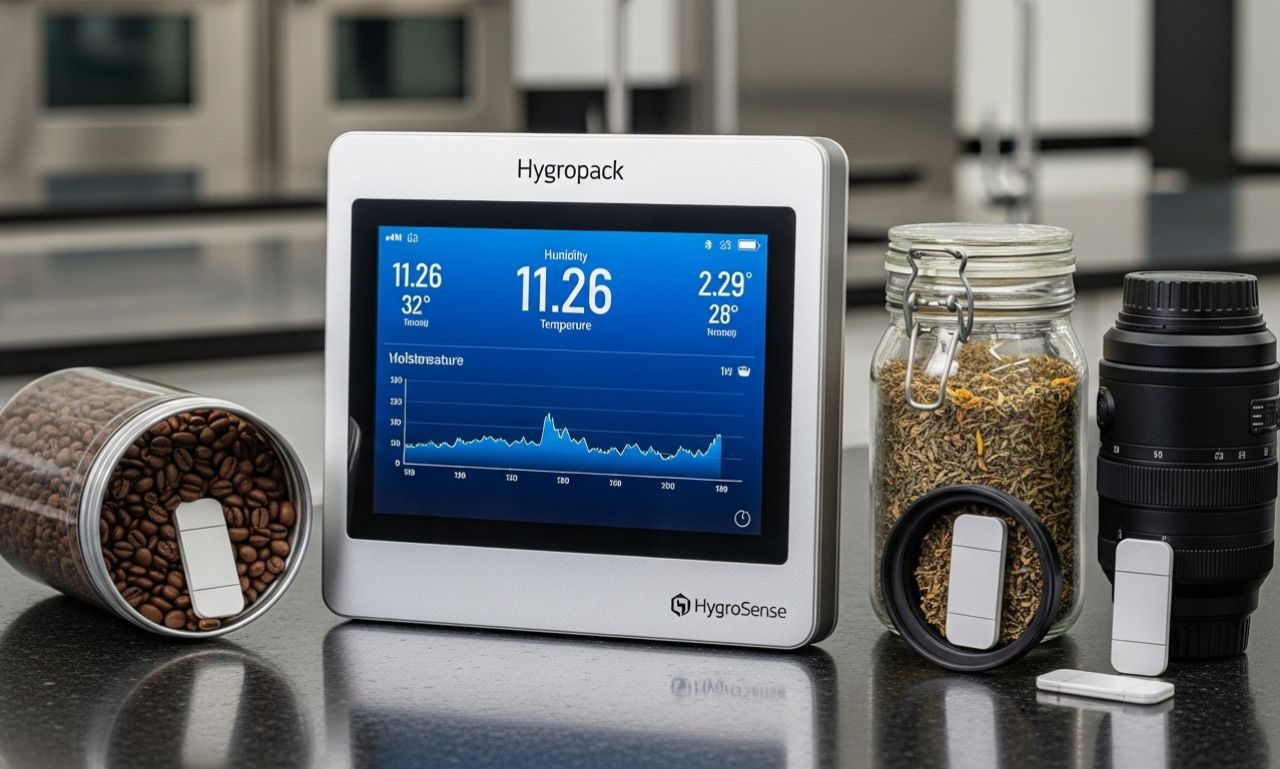
Moisture control has become one of the most crucial factors in product protection across industries like pharmaceuticals, electronics, food packaging, and logistics. Even a slight shift in humidity can cause microbial growth, chemical instability, corrosion, changes in texture, and overall product degradation. To address these challenges, companies increasingly rely on modern hygropack solutions—compact, highly efficient humidity-absorbing packs designed to maintain stable environmental conditions during storage and transportation.
This article explains what a hygropack is, how it works, industry applications, technological advancements, selection criteria, sustainability considerations, and future trends. It provides a thorough and updated understanding of why hygropack technology has become a global standard in moisture management.
What Is a Hygropack?
A hygropack is a small, engineered packet containing moisture-absorbing materials such as silica gel, clay desiccants, molecular sieves, or hybrid polymers. Its main purpose is to regulate humidity inside sealed environments—typically product packaging—by absorbing excess moisture from the air. The goal is to maintain an optimal relative humidity level that protects stored items from contamination, corrosion, mold, spoilage, or structural degradation.
Unlike traditional desiccant bags used in large shipping containers, hygropacks are compact, lightweight, and paired with product-specific humidity requirements. Many are designed to meet rigorous international quality standards for food safety and pharmaceutical stability.
How a Hygropack Works
At the core of every hygropack is a moisture-active material encased in a permeable sachet. Here’s the simplified interaction:
-
Moisture enters the sachet through microscopic pores in the packaging material.
-
The desiccant inside traps water molecules through adsorption or absorption.
-
Humidity levels drop, creating a stable micro-environment that prevents product damage.
-
In some advanced designs, two-way humidity control allows the hygropack not only to absorb but also release moisture to maintain a target humidity range.
This self-regulating ability makes hygropacks particularly valuable in sectors like pharmaceuticals and electronics where precise micro-climates are vital.
Types of Desiccants Used in Hygropack Technology
While many moisture-absorbing agents exist, the most common options include:
1. Silica Gel
-
Made of amorphous silicon dioxide
-
Highly porous and excellent for moderate humidity control
-
Widely used in consumer goods packaging
2. Activated Clay
-
Natural, eco-friendly material
-
Cost-effective and efficient in high-humidity areas
-
Ideal for bulk packaging and food items
3. Molecular Sieves
-
Microporous crystalline aluminosilicates
-
Extremely fast moisture absorption
-
Effective even at very low humidity levels
-
Preferred for sensitive pharmaceutical products
4. Calcium Chloride
-
High absorption capacity
-
Suitable for long-distance shipping
-
Often used in large-scale hygropack formats
5. Hybrid Polymer Desiccants
-
Modern engineered materials
-
Provide precise humidity control
-
Used in smart and two-way humidity-buffering hygropacks
Different industries select hygropacks with desiccants tailored to their environmental requirements and regulatory guidelines.
Key Benefits of Using a Hygropack
Incorporating hygropack technology provides multiple advantages to manufacturers and distributors:
1. Protection Against Moisture Damage
A hygropack prevents mold growth, corrosion, decomposition, microbial contamination, texture changes, and color fading in humidity-sensitive products.
2. Enhanced Product Shelf Life
Maintaining consistent humidity stabilizes chemical composition and structural integrity, extending usable life.
3. Safer Transport and Storage
Fluctuations in climate during shipping are inevitable. A hygropack creates a protective micro-climate that shields products during long storage times or long-distance delivery.
4. Cost Efficiency
Preventing spoilage, returns, and product failure saves significant money in highly regulated industries.
5. Compliance with Industry Standards
Many regulations—especially in pharmaceuticals and food—mandate moisture control. Hygropacks help companies meet these requirements.
Industries That Rely on Hygropack Solutions
Pharmaceuticals
Medicines, diagnostics kits, and medical devices require strict humidity control to maintain chemical stability. A hygropack helps protect tablets, capsules, test strips, and biologics—especially in tropical climates.
Food Packaging
Snack foods, dried goods, spices, confectionery, and roasted products lose quality when exposed to moisture. Hygropacks prevent clumping, spoilage, odor transfer, and microbial growth.
Electronics and Semiconductors
Circuit boards, sensors, microchips, and precision components are highly moisture sensitive. A hygropack prevents corrosion and failure during storage and transit.
Textiles and Leather Goods
Apparel, footwear, and luxury items often develop mold in humid zones. Hygropacks preserve freshness and prevent odor.
Optical Instruments of Hygropack
Cameras, lenses, microscopes, and optical sensors require extremely low humidity for clarity and performance.
Automotive Parts
The automotive supply chain uses hygropacks to protect metal components and electronics during shipping across varied climates.
Modern Innovations in Hygropack Technology
Recent advancements have transformed the humble hygropack into a sophisticated moisture-control tool.
1. Two-Way Humidity Control
Next-generation hygropacks can both absorb and release moisture to maintain a precise relative humidity level—often between 40% and 60%.
2. Smart Hygropacks with Indicators
Some variants include:
-
color-changing humidity indicators
-
QR codes for tracking humidity exposure
-
integration with smart packaging systems
3. High-Absorption Nanomaterials
Hybrid polymers and nano-engineered sorbents provide rapid and large-volume absorption, useful for sensitive pharmaceuticals.
4. Eco-Friendly and Recyclable Materials
Sustainable hygropacks now incorporate:
-
biodegradable sachet films
-
renewable clay or plant-based desiccants
-
reduced-plastic packaging
5. Custom-Engineered Micro-Packs
For precision industries like aerospace and semiconductors, hygropacks are micro-sized and calibrated to exact humidity loads.
How to Choose the Right Hygropack for Your Product
Selecting the correct hygropack ensures optimal performance. Consider the following factors:
1. Product Sensitivity
Some products need near-zero humidity, while others require controlled mid-range levels.
2. Packaging Material and Volume of Hygropack
Rigid containers trap humidity differently from flexible packaging. Calculate the internal air volume for accurate hygropack sizing.
3. Storage and Transportation Climate
Products shipped across tropical regions may require high-capacity desiccants.
4. Required Duration of Protection
Short-term retail products need smaller hygropacks; long-term storage requires more robust solutions.
5. Regulatory Requirements of Hygropack
Pharmaceutical and food regulations dictate the type, purity, and safety certification of allowable hygropacks.
6. Risk of Moisture Shock
Products sensitive to abrupt humidity changes—like electronics—may need fast-acting molecular sieves.
Sustainability and Environmental Considerations
As industries move toward greener packaging, manufacturers are adopting eco-friendly hygropack options. These include:
-
biodegradable sachets made from plant fibers
-
natural clay desiccants with minimal carbon footprint
-
recyclable pouches that reduce waste
-
energy-efficient production methods
Brands that use sustainable hygropack solutions can improve environmental responsibility while maintaining product safety.
Common Mistakes to Avoid When Using Hygropacks
Despite their effectiveness, improper use can reduce performance. Avoid the following:
-
choosing the wrong hygropack size
-
using non-compatible desiccants
-
placing hygropacks improperly within packaging
-
leaving packaging unsealed, reducing efficiency
-
exposing hygropacks to moisture before application
-
failing to account for temperature-humidity interaction
Following best practices ensures maximum product protection.
The Future of Hygropack Technology
The demand for precise, reliable, and eco-friendly moisture control is growing rapidly. Upcoming trends include:
1. Smart Sensor-Integrated Hygropack
Low-cost micro-sensors will allow real-time humidity monitoring.
2. AI-Predicted Moisture Load Calculations
AI systems may help manufacturers calculate exact hygropack requirements based on environmental data.
3. Fully Compostable Hygropack Materials
Next-generation biodegradable materials will support circular packaging models.
4. Industry-Specific Customization
Every sector—from pharmaceuticals to electronics—will see more tailored hygropack solutions.
5. Advanced Two-Way Control Materials
Future moisture-buffer packs will regulate humidity with unprecedented precision.
Conclusion
The evolution of the hygropack has greatly improved the way manufacturers protect products from moisture-related damage. From pharmaceuticals to electronics, virtually every industry benefits from reliable humidity control. Modern hygropacks are not just simple desiccant sachets—they are engineered climate-stabilizing tools that enhance product safety, shelf life, and transport reliability.

Tech Enthusiast | Digital Educator | Content Strategist
The admin of TechnologyMalt.com is a dedicated technology enthusiast with a strong passion for simplifying complex digital concepts and making modern tech accessible to everyone. With years of experience exploring the latest innovations, gadgets, software, and digital trends, the admin created Technology Malt to help readers stay informed, make smarter tech decisions, and understand the rapidly evolving world of technology.
At Technology Malt, the admin oversees:
Content strategy and quality
Research and technology analysis
Product reviews and comparisons
Tutorials, guides, and how-to resources
Audience support and communication
Driven by curiosity and a commitment to clarity, the goal is to deliver accurate, helpful, and easy-to-understand tech content for everyday users, professionals, and businesses.
For inquiries, collaborations, or feedback, the admin can be contacted at:
thetechnologymalt@gmail.com