 By admin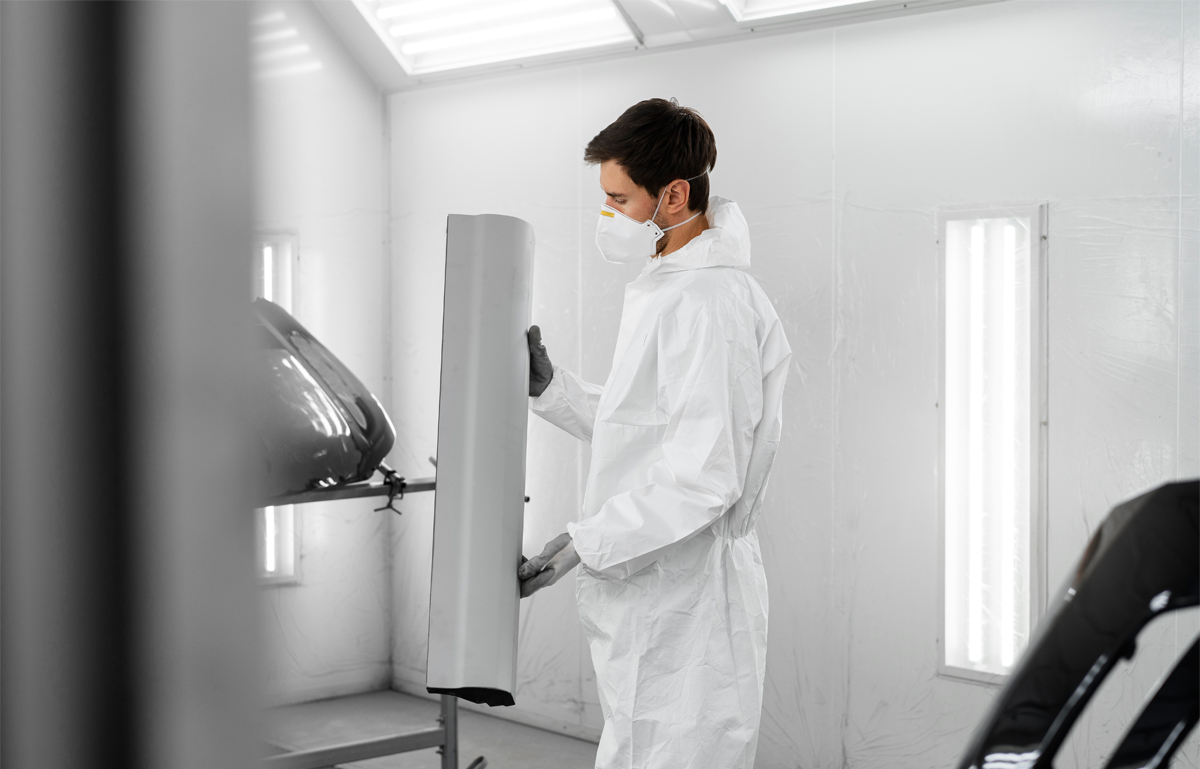
Production expectations increase, coatings evolve, and customers expect consistent finishes on everything from small brackets to heavy fabricated parts. Modern powder coating equipment helps facilities meet those demands by improving application efficiency, curing performance, and overall process control.
Replacing Outdated Guns with High Transfer Efficiency Models
Older spray guns often waste more powder than many operators realize. Early electrostatic technology produced decent finishes, but transfer efficiency was limited compared with newer designs. Modern guns shape the powder cloud more precisely and deliver a stronger electrostatic charge, allowing powder coating to cling to surfaces with far less overspray. Recent gun models also give operators better control over voltage settings, powder flow, and spray patterns. Facilities upgrading powder coating systems often see immediate improvements in material usage and finish quality after replacing outdated application equipment. Higher transfer efficiency reduces powder waste while helping coatings wrap around complex shapes more evenly.
Installing Faster Color Change Booth Systems
Color change speed affects production flexibility. Traditional spray booths require long cleaning cycles before switching from one coating color to another. Dust left behind from the previous run can contaminate the next batch, forcing shops to spend valuable time clearing powder from ductwork, walls, and reclaim units.
New booth designs simplify this process. Smooth interior surfaces, cartridge filtration, and automated cleaning features reduce the time needed to move between colors. Many powder coating equipment packages now include quick-change booth systems that allow shops to handle smaller job batches without slowing down the line.
Upgrading Cure Ovens for Tighter Temperature Control
Temperature control determines how well powder coating cures on metal surfaces. Older powder coating ovens often rely on basic thermostats and uneven airflow, which can create temperature swings across the curing chamber. Parts near the entrance or exit may receive different heat exposure than those traveling through the center of the oven. Modern powder curing ovens maintain tighter thermal control using improved air circulation and digital temperature regulation. A newer industrial powder coating oven distributes heat more evenly, allowing coatings to cure at the intended schedule. Shops evaluating a powder coating oven for sale frequently discover that improved temperature control reduces rework and shortens cure times.
Adding Automated Conveyor Tracking for Consistency
Conveyor systems move parts through spray booths and curing chambers, yet many older lines rely on manual adjustments. If the conveyor speed drifts even slightly, dwell time inside powder coating ovens changes. That variation can affect coating flow and final finish quality.
Automated tracking technology corrects those inconsistencies. Sensors monitor conveyor speed and adjust motor performance to maintain steady movement through powder coating systems. Consistent part travel ensures that each component receives the same exposure to powder application and curing heat.
Improving Filtration for Cleaner Exhaust Output
Powder coating generates airborne particles during application. Without proper filtration, these particles escape into exhaust systems and reduce air quality around the facility. Early filtration designs struggled to capture fine powder dust effectively, allowing overspray to travel through duct systems.
Modern filtration upgrades solve many of these issues. Cartridge filters with improved media capture smaller particles and maintain airflow even during heavy production cycles. Cleaner exhaust not only improves shop conditions but also supports more efficient reclaim systems that return usable powder back into the coating process.
Integrating Digital Controls for Process Visibility
Digital monitoring tools give operators better insight into how powder coating equipment performs during production. Sensors track airflow, temperature, conveyor speed, and powder flow rates in real time. This information helps technicians detect small changes that could affect finish quality before they become larger problems. Unlike older control panels that required manual checks, digital interfaces display performance data across the entire powder coating system. Operators can monitor curing temperatures inside powder coating ovens or verify airflow inside spray booths from a central control screen.
Expanding Booth Size for Larger Part Capacity
Many facilities eventually outgrow their original spray booth dimensions. Larger fabricated parts, frames, and assemblies require more clearance for safe powder application. Upgrading booth size allows shops to handle these components without repositioning parts or running multiple coating passes. A larger booth also improves airflow distribution during powder coating. Additional space allows powder clouds to settle more evenly on the part surface while maintaining proper exhaust balance. Shops upgrading their powder coating equipment often choose booth expansions when preparing for new production contracts.
Retrofitting Older Lines with Modern Safety Features
Safety standards evolve along with finishing technology. Retrofitting existing powder coating systems with updated safety components helps protect workers and equipment during daily operation.
Typical upgrades include:
• Interlock systems that stop powder coating ovens if airflow drops below safe levels
• Emergency shutdown switches positioned near operators
• Improved grounding systems for electrostatic spray equipment
• Updated electrical controls for spray booth fans and conveyors
These additions allow older powder coating equipment to operate with safety standards similar to newly installed systems.
Increasing Reclaim Efficiency to Cut Powder Waste
Powder reclaim systems recover overspray that does not adhere to the part surface. Early reclaim designs captured only a portion of this material, leaving significant waste behind. Improved recovery systems now separate usable powder more accurately while filtering out contaminants.
Higher reclaim efficiency reduces the amount of new powder required for each production run. Facilities upgrading powder coating equipment often combines reclaim improvements with modern spray booths and updated guns. This combination helps maintain steady powder quality while lowering material costs.
Experienced finishing equipment specialists often assist manufacturers with planning upgrades that fit existing shop layouts. Modern powder coating systems may include redesigned spray booths, automated conveyors, and energy-efficient powder curing ovens tailored to specific production needs. Reliant Finishing Systems offers equipment solutions and technical guidance that help shops modernize powder coating operations while maintaining reliable performance across evolving production demands.

Tech Enthusiast | Digital Educator | Content Strategist
The admin of TechnologyMalt.com is a dedicated technology enthusiast with a strong passion for simplifying complex digital concepts and making modern tech accessible to everyone. With years of experience exploring the latest innovations, gadgets, software, and digital trends, the admin created Technology Malt to help readers stay informed, make smarter tech decisions, and understand the rapidly evolving world of technology.
At Technology Malt, the admin oversees:
Content strategy and quality
Research and technology analysis
Product reviews and comparisons
Tutorials, guides, and how-to resources
Audience support and communication
Driven by curiosity and a commitment to clarity, the goal is to deliver accurate, helpful, and easy-to-understand tech content for everyday users, professionals, and businesses.
For inquiries, collaborations, or feedback, the admin can be contacted at:
thetechnologymalt@gmail.com